
Severe tooth pain or a broken tooth doesn’t always look as serious as it feels. Learn how to judge the urgency of dental problems, recognize signs of infection or deeper injury, know when a dental issue becomes a medical emergency, and understand what to expect when seeking emergency dental care.
A tooth can hurt badly without looking damaged. A visible crack can also be less serious than a deeper injury that can’t be seen in the mirror. That makes it difficult to decide whether you should wait for a routine appointment or seek care sooner.
The answer depends on more than the amount of pain or the size of the broken area. Symptoms such as swelling, fever, bleeding, difficulty swallowing, or a change in how the tooth feels can alter the situation.
At Precious Smiles, we want patients to have a clearer idea of when a problem needs prompt attention. The goal isn’t to diagnose yourself at home. It’s to recognize warning signs and know when emergency dental care may be appropriate.
What should I do for severe tooth pain?
Severe tooth pain should be evaluated by a dentist promptly, especially if it is persistent, worsening, or accompanied by swelling or fever. While waiting for care, follow appropriate pain-relief guidance and avoid placing substances directly on the tooth or gums unless advised by a dental professional.
Why can a tooth hurt badly when I can’t see a problem?
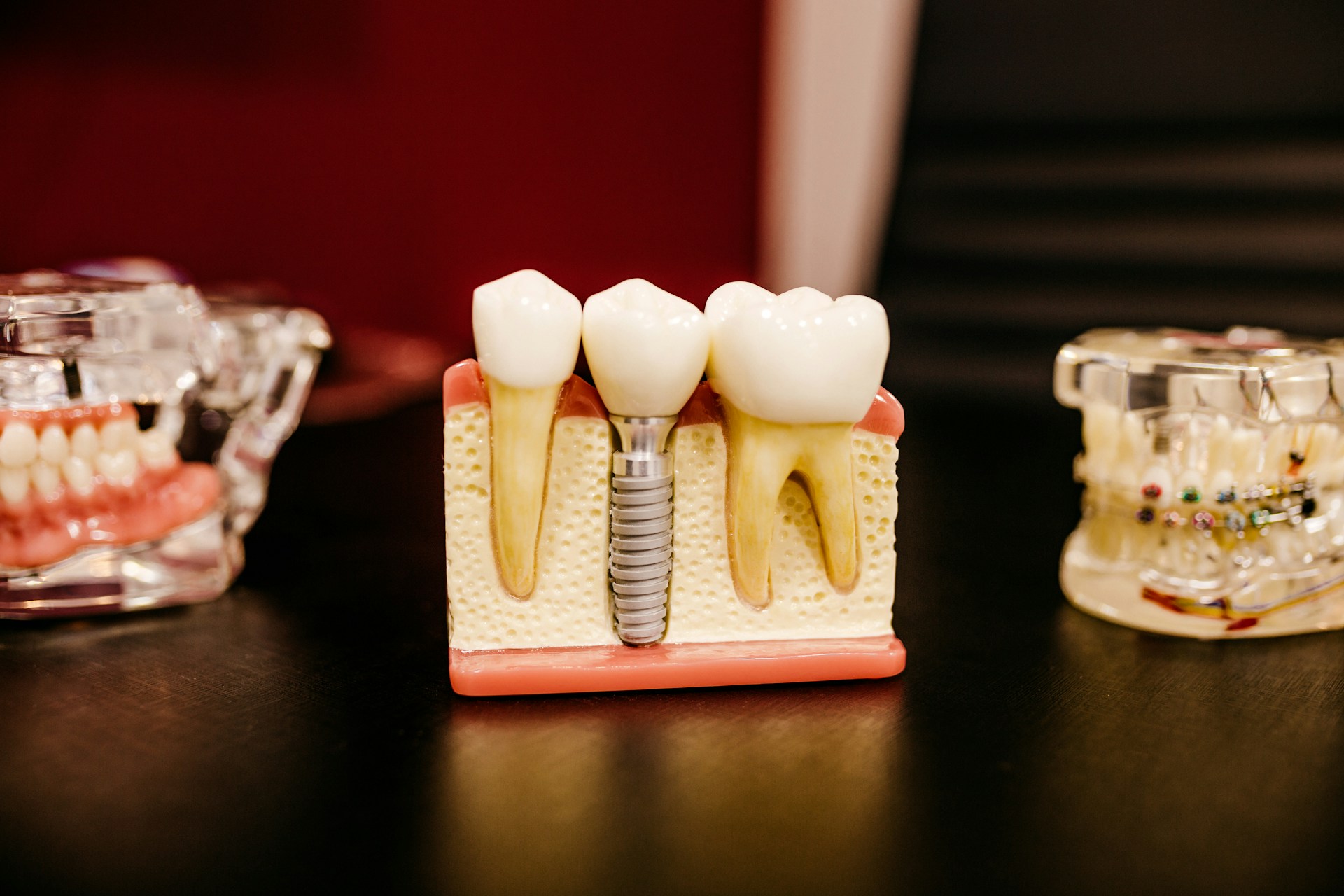
The part of a tooth you can see is only one part of the story. The enamel and dentin protect the inner pulp, which contains nerves and blood vessels. Damage, decay, or inflammation deeper inside the tooth can produce intense pain even when the visible surface looks fairly normal. That’s one reason pain should be judged alongside other symptoms rather than by appearance alone.
A dentist may need to examine the tooth and surrounding tissues and use dental imaging to understand what’s happening. The purpose is to identify the source of the problem and determine whether the tooth needs immediate treatment.
A sudden reduction in pain doesn’t necessarily mean the problem has disappeared either. If the underlying cause remains, the tooth may still require care.
What should I do if my tooth breaks?
If a tooth breaks, protect the area and arrange a dental assessment. Don’t glue the tooth, file it yourself, or keep biting on it to test the damage. If you find the broken piece, keep it safely and take it to your appointment.
Seek urgent dental care if the break causes significant pain, bleeding, swelling, sharp edges that injure nearby tissue, or difficulty eating. The ADA considers painful tooth fractures and dental trauma conditions that may require urgent attention.
A small-looking break can still affect deeper tooth structures, so appearance alone doesn’t show how serious the damage is. That’s why emergency dental care may be appropriate even when the fracture doesn’t look severe.
Does every broken tooth need emergency dental care?
No. A chipped tooth without pain or other concerning symptoms may not require the same level of urgency as a severely fractured tooth with significant pain or swelling. The important question is what else is happening.
Consider prompt dental assessment if the broken tooth is associated with:
- Severe or increasing pain
- Facial or gum swelling
- Persistent bleeding
- Signs of infection
- Difficulty chewing or opening the mouth
- A tooth that has become loose after an injury
- Trauma involving the face or mouth
A dentist can determine whether the tooth needs immediate treatment or whether it can safely be managed through a regular appointment. This distinction matters because not every damaged tooth requires the same response. The right next step depends on the injury, symptoms, and condition of the surrounding tissues.
When should I see an emergency dentist?
Seek emergency dental care when pain, infection, bleeding, or dental injury needs prompt professional attention rather than routine monitoring. Severe dental pain, painful fractures, localized dental infections, and certain traumatic injuries can all warrant urgent evaluation.
You should be especially cautious when symptoms are getting worse rather than staying stable. Swelling is another important warning sign, particularly when it occurs with pain, fever, or difficulty using the mouth normally.
At Precious Smiles, our emergency dental service asks patients to contact the office promptly when they have a dental emergency. Our emergency page also explains that prescription medications aren’t provided without an examination, diagnosis, and current medical history. That approach matters because pain relief alone doesn’t tell us what caused the problem.
When does a dental emergency become a medical emergency?
Some dental problems need more than an urgent dental appointment. Significant swelling that affects breathing or swallowing can become a medical emergency. The NHS advises immediate emergency medical care when a dental abscess causes difficulty breathing, speaking, or swallowing, substantial mouth swelling, or certain swelling around the eye.
A rapidly worsening infection can also affect areas beyond the tooth and jaw. If you’re struggling to breathe or swallow, don’t wait for a dental office to open. Seek emergency medical help.
For other serious but contained dental problems, contacting an emergency dentist promptly is generally the appropriate next step.
What if my tooth pain suddenly goes away?
A sudden improvement can feel reassuring, but it doesn’t always mean the tooth is healthy again. Dental pain can change as the condition inside the tooth changes. A person may also notice less pain while an underlying problem remains.
That’s why the full pattern matters. If severe pain was followed by swelling, a bad taste, drainage, fever, or continued sensitivity, the improvement shouldn’t automatically be treated as a sign that no care is needed.
If you had significant unexplained tooth pain, it’s sensible to tell the dentist exactly what happened, including when the pain started, how severe it became, and what changed afterward. That information can help with the examination and diagnosis.
What treatment might a broken or painful tooth need?
There isn’t one treatment for every dental emergency. Depending on the cause and condition of the tooth, treatment may involve restoring the damaged tooth, treating the dental pulp, draining an infection, repairing damage, or removing a tooth when it cannot be predictably saved.
The ADA recommends prioritizing definitive dental treatment for many causes of dental pain and localized infection rather than relying on antibiotics alone. Antibiotics are generally reserved for situations where they are clinically indicated, including certain cases with systemic involvement.
That distinction is useful for patients because an antibiotic prescription isn’t automatically the answer to severe tooth pain. The right treatment depends on the diagnosis.
A simple way to judge the urgency
When you’re unsure whether a dental problem can wait, look at the whole picture rather than one symptom.
Pain: Is it severe, persistent, or interfering with normal activities?
Damage: Is the tooth broken, loose, displaced, or injured?
Infection: Is there swelling, fever, drainage, or another sign that infection may be developing?
Function: Are you having trouble chewing, opening your mouth, speaking, or swallowing?
Overall safety: Are symptoms affecting breathing, swallowing, or other parts of your face?
If the problem is severe, worsening, or associated with significant swelling or trauma, contact a dentist promptly. If breathing or swallowing becomes difficult because of swelling, seek emergency medical care.
When in doubt, getting the problem assessed is safer than trying to judge the depth of a dental injury from appearance alone.
What happens when you contact Precious Smiles?
When you contact us about an urgent dental problem, the first step is determining what you’re experiencing and how quickly it needs to be assessed. Our emergency dental service covers concerns such as severe pain, infections, tooth damage, bleeding, and traumatic mouth injuries.
An examination allows us to look beyond the symptom itself. A painful tooth may need a different approach from a fractured tooth, and an infection may require different treatment again.
We don’t want patients guessing at the cause or relying only on temporary relief. Once the problem is properly assessed, we can discuss the appropriate treatment based on what’s actually happening.
Don’t Guess When a Tooth Needs Urgent Care
Severe pain, a broken tooth, swelling, or dental trauma can be difficult to judge from home. What looks minor may still need prompt attention, while a small chip without symptoms may not require emergency treatment.
At Precious Smiles, we focus on finding the cause of the problem so the next step is based on your actual dental condition. If you’re dealing with significant pain, swelling, tooth damage, or another urgent concern, contact us so we can determine how quickly you should be seen.
Frequently Asked Questions
Can a broken tooth fragment be saved?
Sometimes. Keep the fragment and bring it to your dental appointment so the dentist can determine whether it can be useful for treatment.
Can a tooth crack without causing immediate pain?
Yes. Some cracks may not cause noticeable symptoms at first, which is why a suspected crack should still be assessed.
Can a cracked tooth have no visible damage?
Yes. A crack may be difficult to see from the outside, particularly when it extends below the visible tooth surface.