Dental implants replace a missing tooth root with a post placed in the jawbone, which can then support a crown, bridge or denture. Whether they’re right for you depends on your oral health, available bone, healing factors and treatment goals. Understanding the procedure and alternatives can help you make a more informed decision.
A missing tooth leaves you with more than an empty space. You may notice a change in chewing, speech or the way nearby teeth meet. And once you’re looking at replacement options, the choice can feel bigger than it first appears.
Should you replace one tooth with an implant? Would a bridge make more sense? What about dentures if several teeth are missing?
Dental implant treatment has become a common way to replace missing teeth, but it isn’t automatically the right choice for every patient. At Precious Smiles, we look at your oral health, the condition of the treatment area and what you want your replacement teeth to accomplish before discussing your options.
How do dental implants work?
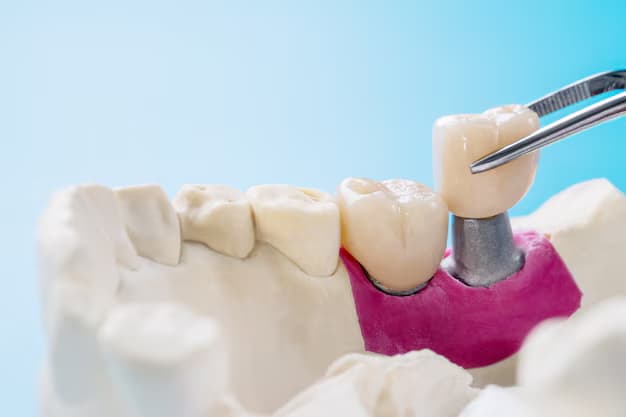
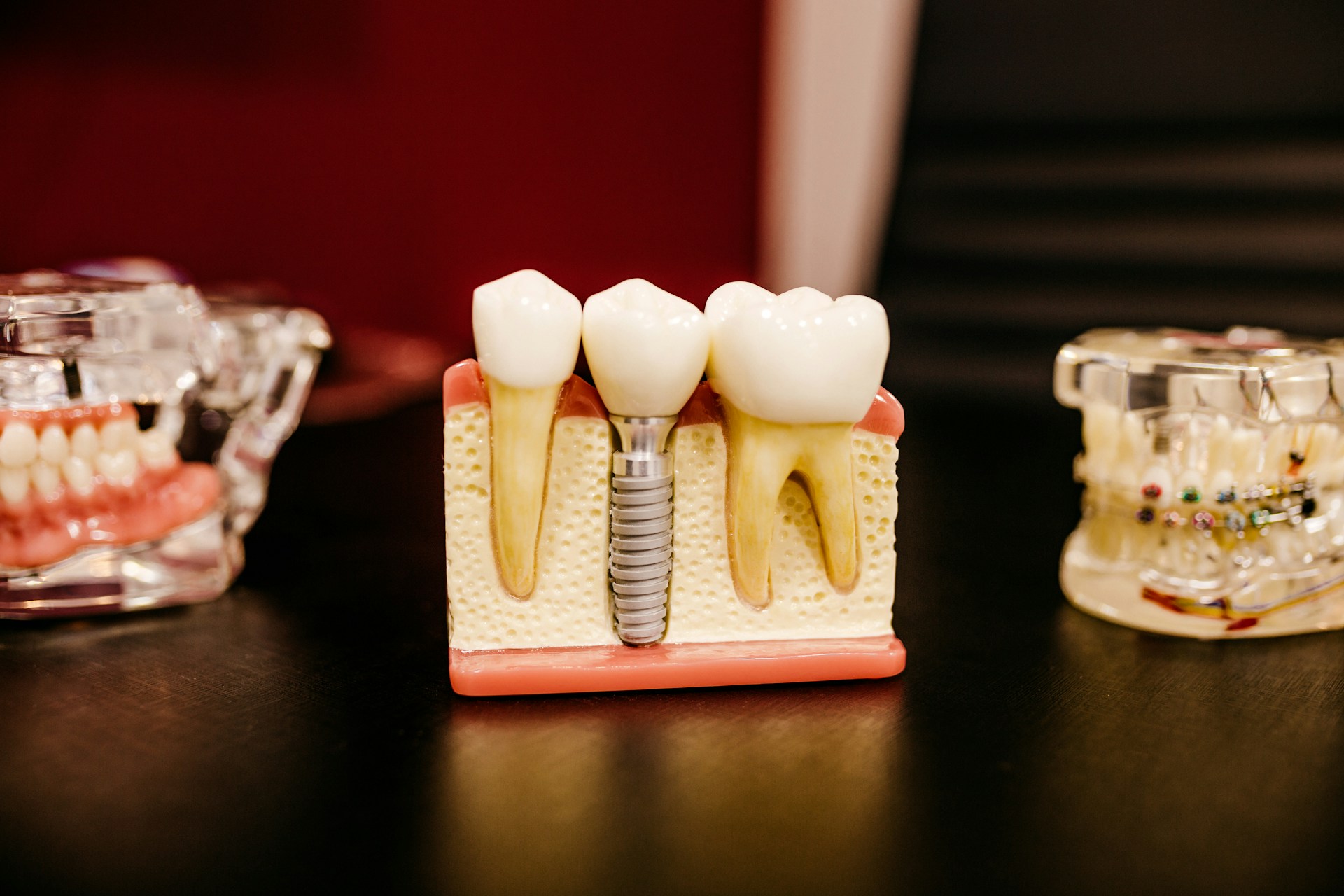
A dental implant replaces the root portion of a missing tooth. The implant is placed into the jawbone, where bone grows around and bonds with its surface. This process is called osseointegration. Once healing is complete, an abutment connects the implant to the final restoration.
That restoration may be a crown for one missing tooth, a bridge for several teeth or an implant-supported denture.
The result is a tooth replacement supported from within the jaw rather than sitting only on the gums. That difference is central to how dental implant treatment works.
What should I expect during a dental implant procedure?
The process usually happens in stages rather than during one appointment. Your tooth may first need to be removed, and your jawbone will be assessed to determine whether it can support an implant. Bone grafting may be recommended when additional bone is needed.
The implant is then placed into the jawbone and given time to integrate. After healing, the abutment and final crown, bridge or denture can be fitted.
At Precious Smiles, we coordinate implant placement and restoration as part of our dental implant treatment process.
Why does the healing stage matter?
An implant needs time to bond with the surrounding bone. This is osseointegration, and it’s a major reason implant treatment can take several months rather than being completed immediately.
A temporary tooth may sometimes be used during this period, depending on the location of the missing tooth and your treatment plan.
This also explains why “same-day implant” doesn’t necessarily mean the entire treatment is finished that day. Precious Smiles recently addressed this distinction in its guidance on recovery after same-day implants.
Who is a candidate for dental implants?
Candidacy isn’t determined by having a missing tooth alone. Your dentist may consider the amount and condition of your jawbone, gum health, general health and factors that could affect healing. You also need to be able to maintain good oral hygiene after treatment. If there isn’t enough bone initially, grafting may sometimes make implant placement possible later.
At Precious Smiles, we use the consultation and appropriate imaging to understand your starting point before recommending dental implant treatment.
Are dental implants worth it compared with dentures?
There isn’t one answer for every patient. Traditional dentures are removable and can replace several or all missing teeth without implant surgery. They can be a practical choice depending on your oral health, preferences and treatment goals. Precious Smiles also provides complete and partial dentures.
Implants are anchored in the jaw and can support a crown, bridge or denture. Implant-supported dentures can provide more stability than traditional dentures because the denture attaches to implants rather than resting only on the gums.
Cost, treatment time, bone health, maintenance and whether you prefer fixed or removable teeth all deserve consideration.
What are the alternatives to a single dental implant?
An implant isn’t the only way to replace one or several missing teeth. A traditional bridge can replace a missing tooth using neighboring teeth for support. A partial denture is another removable option when some natural teeth remain. For people missing many or all teeth, complete dentures or implant-supported dentures may be considered.
The choice depends on the number and location of missing teeth, the condition of the remaining teeth and gums, your bone and what you want from the finished result.
That makes a comparison more useful than assuming dental implant treatment is automatically the answer.
How do I choose a dental implant dentist?
Look beyond the word “implant” on a website. Ask who will place the implant, who will provide the restoration, what imaging is used for planning and which alternatives apply to your situation. It’s also reasonable to ask how the dentist handles cases involving bone loss or multiple missing teeth.
At Precious Smiles, we already discuss several of these questions in our implant dentist guide. For our patients, we want the consultation to be a useful conversation about your particular needs, not a rushed decision.
Can dental implants be placed on the same day?
Sometimes, but the phrase needs some context. In selected cases, an implant can be placed and a temporary tooth attached during the same visit. The implant itself still needs time to integrate with the jawbone before the final restoration is completed.
Whether this approach makes sense depends on the condition of the tooth, bone, gums and the treatment being planned.
At Precious Smiles, we can explain what “same day” would mean in your particular case rather than treating it as a universal timeline.
What should you ask before choosing an implant?
A useful consultation should leave you knowing what happens next and why.
Ask about:
- whether an implant, bridge or denture fits your situation
- whether your jawbone can support the implant
- whether grafting or another preparatory procedure is needed
- what temporary replacement you may have during healing
- what restoration will sit on the implant
- how long the complete process may take
These questions help turn dental implant treatment into a planned decision rather than something you agree to without knowing the stages ahead.
How we approach dental implant treatment
At Precious Smiles, we start with your mouth, your health and your goals. We review the treatment area, use appropriate imaging and discuss the replacement options that fit your situation.
Our Scottsdale office provides dental implant care, and our existing treatment information explains how we coordinate implant placement and restoration.
We want you to understand the process before you commit to it. That includes knowing what the implant does, how long healing may take and which alternatives are available. You can learn more about our dental implant care in Scottsdale.
Choosing your next step
A missing tooth doesn’t automatically point to one solution. An implant may fit your needs, but a bridge, partial denture, complete denture or implant-supported denture may also deserve consideration.
The right choice depends on your oral health, the condition of the treatment area and what you want from your replacement teeth.
At Precious Smiles, dental implant treatment starts with understanding those details. We’ll explain the stages, discuss the alternatives and help you understand what the proposed treatment involves before you move forward.
Frequently Asked Questions
Do dental implants replace the whole tooth?
The implant replaces the root portion. A crown, bridge or denture provides the visible replacement.
Does everyone need a bone graft?
No. Grafting may be recommended when there isn’t enough suitable bone to support an implant.
Are implant-supported dentures removable?
Yes. Some are removable, while others are fixed.
How long does implant treatment take?
Healing can take several months, so the complete process varies from patient to patient.
Are dentures still an option?
Yes. Complete and partial dentures remain established options for replacing missing teeth.