
Dental bonding typically costs $300 to $600 per tooth in the United States, though simple chip repairs can run lower and complex reshaping can run higher. The result usually lasts 5 to 10 years with good care. Most dental plans cover bonding only when it repairs damage, not for purely cosmetic changes.
Your final dental bonding cost depends on the size of the repair, the number of teeth involved, and the condition of each tooth. At Precious Smiles, we give written estimates before treatment, so you know your price first. Below, we break down pricing, lifespan, and how bonding compares with veneers and crowns.
How Much Does Tooth Bonding Cost Per Tooth?
Tooth bonding cost usually falls between $300 and $600 per tooth. National figures range more widely, from about $150 for a minor chip to roughly $1,000 for larger repairs. Dentists bill per tooth, so treating four teeth costs about four times a single repair.
Each office sets its own fees, and your exact price depends on what your tooth needs. A written estimate after an exam is the only reliable number. We provide one before any work begins, and we coordinate with your insurance company to work within your budget.
What Factors Change the Cost of Dental Bonding?
Five factors set the price: the size of the repair, the number of teeth, the condition of each tooth, the materials and skill involved, and your insurance. Larger repairs and cosmetic reshaping cost more than small chips.
| Factor | How it affects price |
| Size of the repair | Small chips cost less. Gap closing, lengthening, or reshaping costs more. |
| Number of teeth | Fees are charged per tooth, so the total scales with each tooth treated. |
| Tooth condition | Decay or an old filling must be addressed first, which adds to the fee. |
| Materials and skill | Shade matching and careful sculpting take time and training. |
| Insurance | Repairs may be partly covered. Purely cosmetic work usually is not. |
Does Insurance Cover Dental Bonding?
Insurance often covers bonding when it repairs a damaged or decayed tooth, and it rarely covers bonding done only for appearance. Plans that do pay usually cover a percentage after a deductible.
Because dental bonding cost can look very different depending on how a procedure is coded, ask us to check your benefits before treatment. Closing a gap or reshaping a healthy tooth is generally classed as elective, so you would pay the full fee yourself.
How Long Does Dental Bonding Last?
Dental bonding typically lasts 5 to 10 years, and some bonded teeth hold up longer with careful habits. Lifespan depends on where the bonding sits, how much biting force it takes, and your daily routine.
Bonding on a front edge faces more stress than a small repair on a side surface. Composite resin is also softer than natural enamel and porcelain, which is why it wears and chips sooner than veneers or crowns. Regular cleanings let us polish the surface and catch small chips before they grow.
What Shortens the Life of Dental Bonding?
Habits that add force or stain to the resin shorten its life the most. These are the causes we see most often:
- Biting ice, pens, fingernails, or hard candy
- Grinding or clenching teeth, especially at night
- Frequent coffee, tea, red wine, or tobacco use
- Skipping dental cleanings and daily flossing
- Using bonded front teeth to open packages or tear tape
A custom night guard protects bonded teeth if you grind. You can ask about one when you visit our cosmetic dentistry team.
Is Dental Bonding Worth It Compared With Veneers or Crowns?
Bonding is worth it for small, localized repairs when you want a fast, lower-priced fix. Veneers and crowns suit larger changes and last longer. Bonding is usually finished in one visit and often needs little or no enamel removal.
Porcelain veneers commonly run about $925 to $2,500 per tooth and can last 10 to 15 years or more. Crowns cost more but protect heavily damaged teeth. When we weigh dental bonding cost against these options, we compare price per year of expected life, not only the upfront fee.
You can read about porcelain veneers and same-day dental crowns on our site. For a full breakdown of crown pricing and durability, see our blog, Dental Crowns in Scottsdale: Appearance, Benefits, Cost & Longevity.
Is Dental Bonding Right for Me?
Bonding is right for you if you have a chipped, gapped, stained, or slightly misshapen tooth that is otherwise healthy. It is a poor fit for large cavities, heavy bite stress, or major alignment problems.
At Precious Smiles, we examine each tooth first, then explain whether bonding or another treatment fits your goals and budget. Because dental bonding cost is lower than most alternatives, it works well as a practical first step, but the treatment has to match the problem. If your only concern is color, teeth whitening may be enough.
Ready to Get a Written Estimate?
We’ll examine your teeth, explain your options, and give you a clear price before any treatment starts. Book a consultation or new-patient visit or call (480) 607-0498. Our office is at 7425 E. Shea Blvd. #106, Scottsdale, AZ 85260. Learn more about our practice on the Precious Smiles home page.
Frequently Asked Questions
Does dental bonding hurt?
Most bonding is painless. The resin goes on the outside of the tooth, so numbing is often unnecessary unless we are filling a cavity or working near the nerve. You may notice mild temperature sensitivity for a day or two afterward, which usually fades on its own without treatment.
Can bonded teeth be whitened?
Composite resin does not respond to whitening products, so bonded areas keep their shade while natural teeth lighten. For that reason, we recommend whitening first, then matching the bonding to your new shade. If you whiten later, the bonded tooth may need replacing to match.
How long does a bonding appointment take?
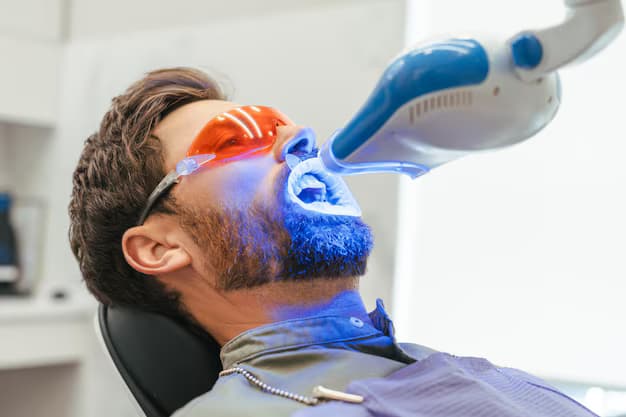
Bonding usually takes 30 to 60 minutes per tooth and is completed in one visit. We choose a matching shade, lightly roughen the surface, apply and sculpt the resin, harden it with a curing light, and polish it. Treating several teeth takes longer, and you can eat normally afterward.
Does dental bonding damage natural teeth?
Bonding is one of the most conservative cosmetic treatments because it removes little or no enamel. Veneers and crowns require removing more tooth structure. Bonded resin can be removed or replaced later, though the tooth underneath stays healthy only with consistent brushing, flossing, and regular cleanings.
Can chipped dental bonding be repaired?
Yes. A small chip can usually be repaired in one short visit by adding fresh resin and repolishing the surface, often at a lower fee than the original bonding. A large fracture or widespread staining may call for full replacement. Contact our office soon after a chip so the tooth stays protected.