
A damaged tooth affects more than your smile. It can make chewing uncomfortable, throw off your bite, or make you hesitant to smile in photos. When a tooth’s too weak for a filling but still worth saving, a crown restores its strength, shape, and look. A question we hear constantly from patients looking into dental crowns in Scottsdale: will it actually look and feel like a real tooth?
Short answer: usually, yes. Modern crowns are built to match the color, shape, and proportions of the teeth around them. With the right planning and fit, most people eventually stop even noticing they have one.
What Exactly Is a Dental Crown?
A crown is a custom-made cap that covers a damaged or weakened tooth. It comes up when a tooth has a large cavity, real damage, a crack, or a filling so big it’s left the remaining structure vulnerable to breaking. Crowns also protect teeth after a root canal or cap off a dental implant.
Where a filling repairs part of a tooth, a crown covers the whole visible portion above the gumline, think of it as a custom-fit protective shell.
Not every damaged tooth actually needs one, though. At Precious Smiles, we take a conservative approach, walking through the tooth’s condition and the realistic pros and cons of each option before recommending anything.
Can It Really Look Natural?
Dental materials have come a long way. Porcelain crowns can be shaded and shaped to closely resemble natural enamel, and the goal isn’t just “make it white”; it’s making it fit in with everything around it.
For dental crowns in Scottsdale, matching the shade is only step one. Shape, size, contour, and how the tooth sits within your bite all matter just as much. A well-designed crown shouldn’t stand out as an obvious replacement; it should just look like your tooth.
Will It Actually Feel Like a Real Tooth?
Your natural tooth has nerves and living tissue a crown simply doesn’t have, so technically, it won’t feel identical to an untouched tooth.
That said, once you’ve adjusted, a properly fitted crown should feel stable and comfortable; chewing and speaking normally shouldn’t be an issue. It’s built to restore function while blending in visually.
It’s normal to notice it at first. Your tongue might keep finding it, or your bite might feel slightly different for a bit. That awareness usually fades as you get used to it. If your bite still feels off after a while, tell your dentist; a small adjustment usually fixes it.
What Actually Happens During Treatment?
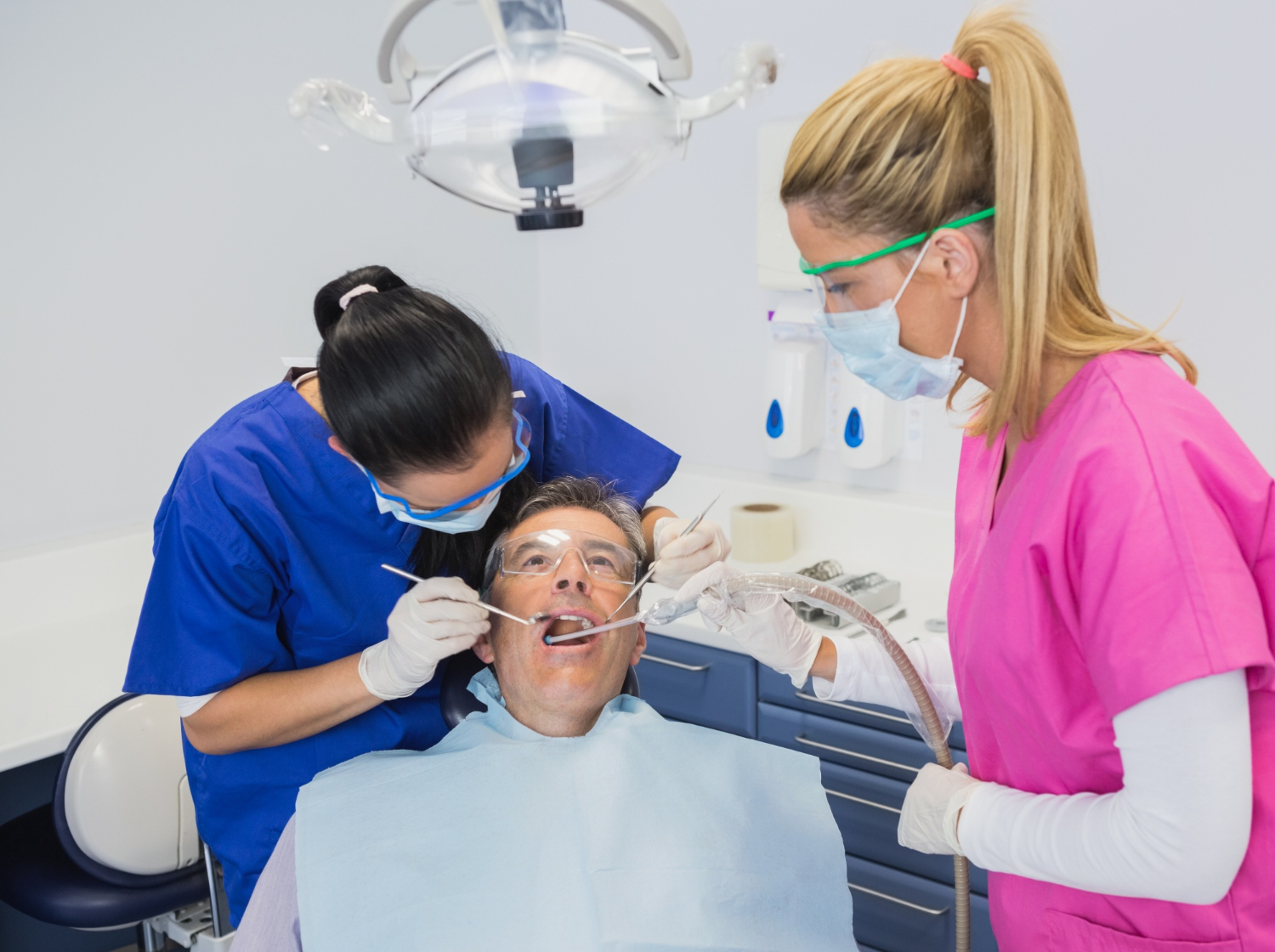
The process depends on the tooth and the type of crown. We start by examining the tooth to confirm a crown’s the right call, then prepare the damaged portion so the restoration fits securely.
Digital tools speed a lot of this up. We use CAD/CAM technology and digital imaging in-office, which in the right cases means a crown can be scanned, designed, milled, and placed all in one visit.
For patients who qualify, same-day dental crowns in Scottsdale skip the temporary crown and the extra appointment entirely. That said, same-day isn’t automatically the right call for every tooth; your dentist needs to confirm it fits your specific situation.
What Should You Expect Afterward?
Some sensitivity or mild discomfort is common right after placement, especially as the tooth settles in. Over-the-counter pain relief usually helps when needed.
Your dentist will give you specific care instructions; follow them closely, especially in the first few days.
Once it’s settled, caring for a crown looks just like caring for a natural tooth: brush twice daily with fluoride toothpaste, clean between your teeth, and keep up with regular checkups. A crown doesn’t make the tooth underneath immune to decay, the surrounding structure and gumline still need real attention.
How Long Does a Crown Actually Last?
There’s no fixed lifespan, it depends on the material, the tooth’s condition, your oral hygiene, bite forces, and habits like grinding.
This is why we encourage anyone getting dental crowns in Scottsdale to think past the day it’s placed. Protecting it comes down to daily habits. If you grind or clench, ask about a nightguard. And skip using your teeth as tools to rip open packages or crack things open; that stresses both natural teeth and crowns alike.
When Should You Actually Consider One?
A crown is considered when a tooth’s suffered damage too significant for a filling to reliably handle, such as large fillings, cracks, extensive decay, or teeth that have already had a root canal.
If you’re noticing a crack, ongoing sensitivity, pain when biting, or a broken filling, don’t wait for it to become an emergency. Getting it evaluated early tells you what’s actually going on before it gets worse.
When we talk through dental crowns in Scottsdale with a patient, we’re looking at the whole picture, not just covering a damaged tooth, but protecting it, restoring real function, and making sure the result actually fits your smile.
Why Fit Matters More Than Looks Alone
A crown can look gorgeous and still fail if the fit is off. The edges need to seat properly, the bite needs checking, and it needs to genuinely work with the teeth around it.
At Precious Smiles, we take the time to get this right rather than rushing through it. Dr. Tony Kaocharoen takes a conservative approach, walking patients through the real trade-offs of each option available.
That conversation matters because every tooth is different; dental crowns in Scottsdale might be perfect for one patient and not the best fit for the next.
Conclusion
A dental crown doesn’t have to look artificial. With modern materials, careful shade and shape matching, digital planning, and a solid fit, it can blend naturally into your smile and feel comfortable in everyday use.
If you’re considering dental crowns in Scottsdale, start with an actual exam rather than assuming a crown’s the automatic answer. We’ll evaluate the tooth and walk you through what to expect before anything happens.
Our goal is always to save your natural teeth when possible, and to restore strength and appearance when a tooth needs more help. A well-planned crown shouldn’t just improve how your tooth looks, it should help you use your smile with confidence again.