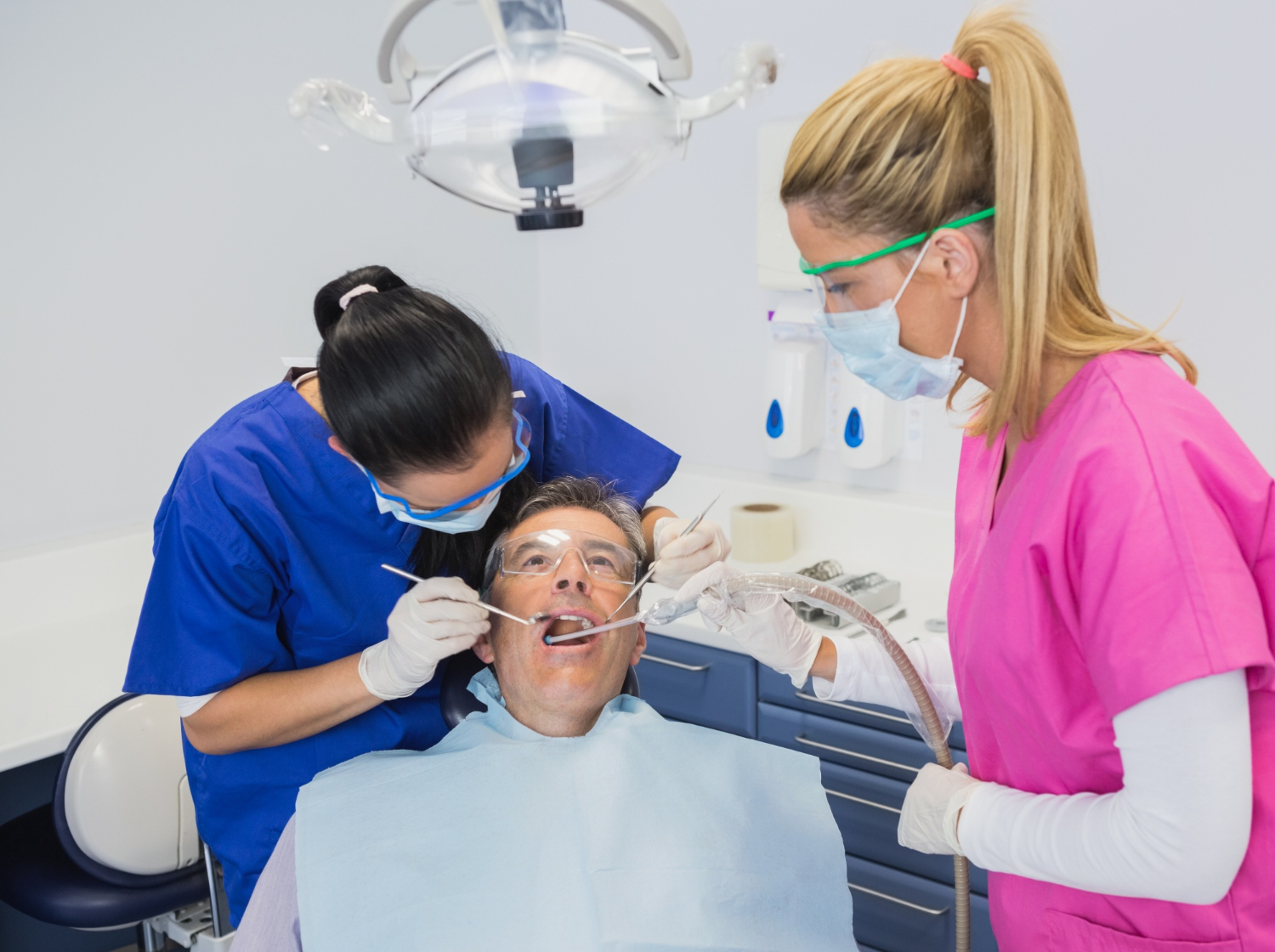

Most patients experience little to no pain during the dental implant procedure because local anesthesia numbs the treatment area. You may notice gentle pressure or vibration, but sharp pain is uncommon while the implant is being placed.
The question Are dental implants painful is one of the most common concerns patients have before treatment. After the anesthesia wears off, mild soreness, swelling, and tenderness are normal for a few days. These symptoms usually improve with prescribed or over-the-counter pain medication, cold compresses, and proper aftercare. At Precious Smiles, we carefully explain every step before treatment so patients know what to expect and feel more confident about the procedure.
What happens before a dental implant is placed?
A dental implant begins with a thorough evaluation to determine whether you are a good candidate for treatment. This planning stage helps reduce complications and supports long-term success.
Your dentist will review your medical history, examine your teeth and gums, and take digital X-rays or 3D scans to evaluate the jawbone. If there is not enough healthy bone, procedures such as bone grafting may be recommended before implant placement. A personalized treatment plan is then created based on your oral health, the number of missing teeth, and your overall goals.
What is the complete dental implant process?
The dental implant process usually includes consultation, implant placement, healing, attachment of the abutment, and placement of the final crown. Each step is completed only after the previous stage has healed properly.
During surgery, the titanium implant is placed into the jawbone where the missing tooth root once existed. Over the next few months, the bone naturally bonds with the implant through a process called osseointegration. Once healing is complete, an abutment is attached to connect the implant to the custom-made dental crown. This final restoration is designed to match your surrounding teeth in appearance and function.
How long does the dental implant process take from start to finish?
The complete dental implant process typically takes three to six months, although some cases require more time. Healing time depends on your bone quality, general health, and whether additional procedures are necessary.
Patients who require bone grafting or treatment for gum disease may have a longer timeline before the implant can be placed. While waiting may seem frustrating, proper healing creates a stronger foundation for the implant and improves its long-term stability. The answer to Are dental implants painful often becomes less concerning once patients understand that the procedure is carefully planned to encourage comfortable healing rather than rushing treatment.
What does recovery feel like after dental implant surgery?
Most people recover with mild to moderate discomfort that improves within a few days. Swelling, slight bruising, and tenderness are common during the early healing period.
Eating soft foods, avoiding smoking, maintaining good oral hygiene, and following your dentist’s instructions all support faster recovery. The question Are dental implants painful often comes up during recovery, but many patients compare the discomfort to having a tooth removed. Most individuals return to work or normal daily activities within a day or two, depending on the complexity of the procedure.
Who is a good candidate for dental implants?
Healthy adults with good oral hygiene and enough jawbone are often excellent candidates for dental implants. Even patients with some bone loss may still qualify after additional treatment.
Certain medical conditions, uncontrolled diabetes, smoking, or active gum disease may affect healing and require additional evaluation before treatment begins. At Precious Smiles, our goal is to recommend the safest and most appropriate treatment based on each patient’s individual needs rather than using a one-size-fits-all approach.
Frequently Asked Questions
Are dental implants painful after the anesthesia wears off?
Most patients experience mild soreness rather than severe pain after treatment. The answer to Are dental implants painful is usually reassuring because discomfort is temporary and typically improves within several days with proper care and medication.
How long does swelling last after dental implant surgery?
Swelling usually reaches its highest point within 48 hours and gradually improves over the next several days. Using cold compresses during the first day and following post-operative instructions can help reduce swelling and improve comfort.
Can I eat normally after getting a dental implant?
Soft foods are recommended for the first few days after surgery to avoid unnecessary pressure on the healing area. As healing progresses and your dentist confirms recovery, you can gradually return to your normal diet.
How successful are dental implants?
Dental implants have a high long-term success rate when placed in healthy patients who practice good oral hygiene and attend regular dental checkups. Consistent home care and professional maintenance help protect the implant for many years.
Are dental implants painful for older adults?
Age alone does not determine how comfortable the procedure will be. Whether dental implants are painful is a common question among older adults, but many experience healing similar to younger patients when their overall health and bone quality are suitable for treatment.
Conclusion
Dental implants provide a durable and natural-looking solution for replacing missing teeth, and the procedure is often much more comfortable than many people expect. While Are dental implants painful remains one of the most common questions patients ask, modern techniques and careful treatment planning help minimize discomfort throughout the process.
From your initial consultation to the placement of the final crown, understanding each stage can make the experience less stressful and more predictable. The fact that dental implants are not painful should not stop you from exploring a treatment that can restore your smile, improve chewing ability, and support long-term oral health. We are committed to guiding every patient with personalized care, clear communication, and treatment plans designed for lasting results.