Yes, Invisalign is highly effective for many adults with crooked teeth, but it is not automatically the best choice for every case. If you are wondering, Is Invisalign better than braces, the answer depends on the complexity of your orthodontic needs, your daily habits, and your treatment goals.
Clear aligners have advanced significantly and can successfully correct crowded teeth, gaps, and many bite issues. Traditional braces, however, continue to be the most reliable option for severe crowding, major bite corrections, or teeth requiring significant movement. A professional evaluation is the best way to determine which treatment offers the safest and most predictable outcome.
At Precious Smiles, every treatment plan is customized after a detailed examination to ensure the chosen option matches each patient’s needs.
When are traditional braces more effective than Invisalign?
Traditional braces are generally more effective for complex orthodontic problems. Patients who have severe crowding, significant jaw misalignment, large tooth rotations, or complicated bite issues often benefit more from fixed braces.
Although many people ask, Is Invisalign better than braces, braces allow orthodontists to apply continuous pressure that can achieve difficult tooth movements with greater precision. Since braces remain attached throughout treatment, they also eliminate concerns about patient compliance.
Your dentist will recommend the option that offers the highest chance of long-term success rather than simply choosing the newest treatment.
How long does Invisalign take compared with braces?
Treatment time varies depending on individual needs. Many adults complete Invisalign treatment within 12 to 18 months, while traditional braces often require 18 to 24 months or longer for more complex cases.
If you’re researching “Is Invisalign better than braces?”, remember that speed depends more on the complexity of tooth movement than on the appliance itself. Wearing aligners consistently and attending scheduled appointments help keep treatment on track regardless of the method selected.
Which option is more comfortable for adults?
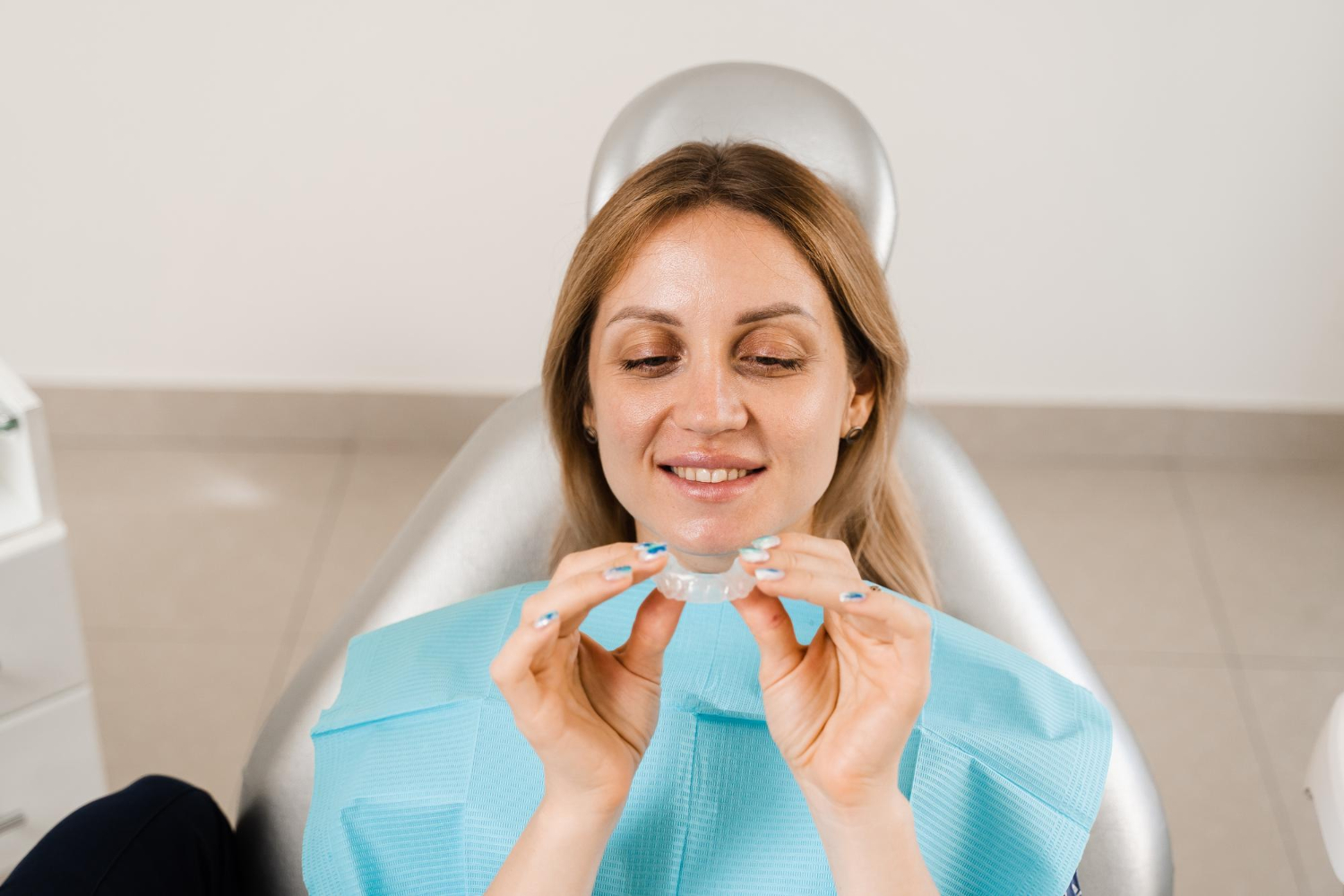
Most adults find Invisalign more comfortable because the smooth plastic aligners do not contain brackets or wires that may irritate the inside of the mouth. Mild pressure is expected when switching to a new set of aligners, but this usually fades within a few days.
People searching Is Invisalign better than braces often prioritize comfort. While braces may occasionally require adjustments that cause temporary soreness, both treatments are considered safe and manageable. Over-the-counter pain relief and soft foods can help during adjustment periods.
Does Invisalign require more patient responsibility?
Yes. Invisalign requires a strong commitment because the aligners must be worn consistently every day. Removing them too often or forgetting to wear them can delay treatment and reduce effectiveness.
When deciding “Is Invisalign better than braces?”, patient responsibility is an important factor. Braces continue working around the clock because they are fixed in place, making them a practical choice for individuals who may struggle to wear removable aligners as instructed.
At Precious Smiles, our team explains the responsibilities of both options so patients can make informed decisions with confidence.
Is Invisalign better than braces for appearance and daily life?
Many adults choose Invisalign because the clear aligners are difficult to notice during conversations or photographs. They also allow patients to enjoy their favorite foods since the aligners are removed before meals.
For many professionals, “Is Invisalign better than braces?” comes down to convenience and appearance. Braces remain highly effective, but they are more visible and require avoiding certain sticky or hard foods that may damage brackets.
Both options can produce excellent results when recommended appropriately and followed correctly.
Frequently Asked Questions
Can Invisalign fix severely crooked teeth?
Invisalign can correct many cases of crooked teeth, but severe orthodontic problems may still require traditional braces. A comprehensive examination with digital imaging helps determine whether clear aligners can safely achieve the desired tooth movement.
Do braces or Invisalign hurt more?
Both treatments cause temporary discomfort as teeth gradually move into new positions. Invisalign typically produces less irritation because there are no brackets or wires, while braces may occasionally cause soreness after adjustments.
Which treatment is easier to keep clean?
Invisalign is generally easier to keep clean because the aligners are removed before brushing and flossing. Braces require additional cleaning around brackets and wires, making oral hygiene more time-consuming but still manageable with proper care.
Will insurance cover Invisalign?
Many dental insurance plans provide orthodontic benefits that may apply to Invisalign or traditional braces. Coverage varies by policy, age limits, and treatment eligibility, so reviewing your benefits before starting treatment is recommended.
Conclusion
Choosing between Invisalign and traditional braces depends on more than appearance alone. The severity of crooked teeth, bite alignment, daily routine, treatment goals, and patient commitment all influence which option delivers the best outcome.
While many adults asking Is Invisalign better than braces will benefit from clear aligners, others may achieve more predictable results with traditional braces. A personalized orthodontic evaluation ensures the treatment selected is based on clinical needs rather than assumptions, helping patients achieve a healthy, confident smile that lasts for years.