
Yes, you should continue visiting a dentist even if your teeth feel healthy. Routine examinations help identify issues that cannot always be seen or felt at home.
Plaque and tartar can build up in areas that brushing and flossing may miss. Small cavities often develop without pain, and early gum disease may show only mild signs that are easy to overlook. During a routine visit, a dentist checks your teeth, gums, bite, and oral tissues while looking for changes that may require attention.
Finding a family dentist near me for routine checkups gives you access to preventive care that helps reduce the risk of future dental problems. Early treatment usually means simpler procedures, lower costs, and better long-term oral health.
How often should healthy adults schedule routine dental checkups?
Most healthy adults benefit from visiting the dentist every six months. However, the ideal schedule depends on each person’s oral health needs.
People with healthy teeth and low risk for cavities may be advised to return once or twice a year. Others with gum disease, frequent cavities, diabetes, smoking habits, or certain medications may need more frequent appointments. If you’re searching for a family dentist near me for routine checkups, choosing a practice that offers personalized preventive care can help keep your smile healthy.
At Precious Smiles, every patient receives recommendations based on individual risk factors rather than a one-size-fits-all schedule.
What happens during a routine dental checkup?
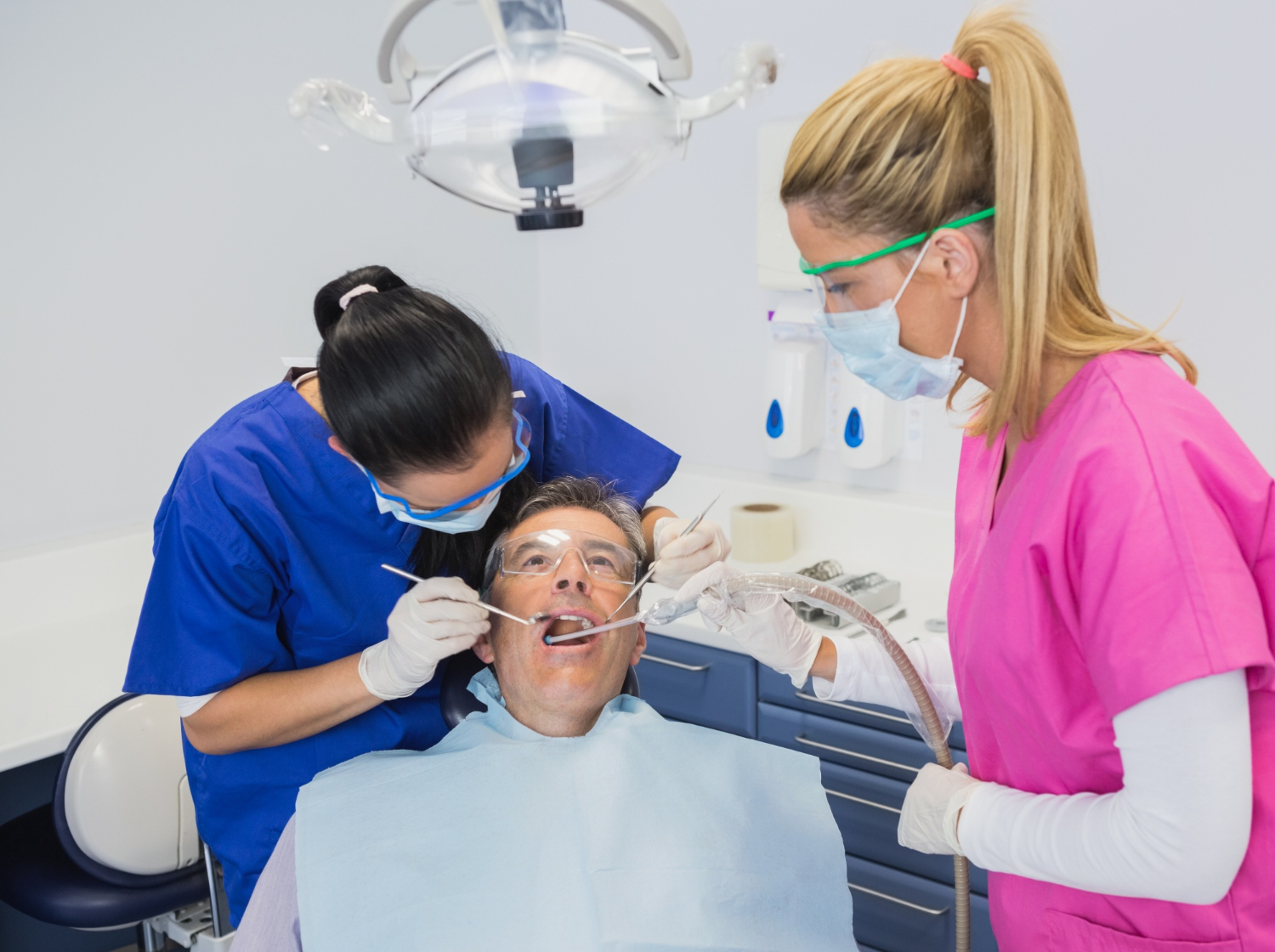
A routine dental checkup includes a professional cleaning, a complete oral examination, and preventive recommendations based on your oral health.
During the appointment, dental professionals remove plaque and hardened tartar that cannot be eliminated with regular brushing. They examine your teeth for cavities, evaluate your gums for signs of periodontal disease, inspect existing fillings or crowns, and screen for oral cancer. Dental X-rays may also be recommended when necessary to detect problems beneath the surface.
Many patients searching for a family dentist near me for routine checkups are surprised to learn that these visits are designed to prevent problems rather than simply treat them. Preventive appointments help keep small concerns from becoming larger ones.
Can skipping routine dental visits cause problems later?
Yes. Delaying routine dental visits can allow small oral health issues to become more serious before they are noticed.
A tiny cavity can gradually grow until it requires a crown or root canal. Mild gum inflammation may progress into advanced periodontal disease, which can lead to bone loss and tooth loss if left untreated. If you’re searching for a family dentist near me for routine checkups, regular examinations can help catch these problems while treatment is still straightforward.
At Precious Smiles, our goal is to help patients maintain healthy smiles through preventive care instead of waiting until pain develops. Many dental conditions are easier to manage when they are discovered early.
Are routine dental checkups different for children and seniors?
Yes. Children, adults, and seniors all benefit from preventive dental care, but each age group has different oral health needs.
Children require regular monitoring as their teeth develop and erupt. Adults often focus on preventing cavities, gum disease, and wear caused by grinding. Seniors may need additional attention for dry mouth, gum recession, worn restorations, and tooth replacement options.
Choosing a family dentist near me for routine checkups allows every member of the household to receive age-appropriate care in one convenient location. This continuity also helps dentists monitor changes in oral health over time.
Frequently Asked Questions
1. Can I skip my dental checkup if I brush and floss every day?
No. Brushing and flossing are essential, but they cannot remove hardened tartar or detect hidden dental problems. Regular visits to a family dentist near me for routine checkups help identify issues such as cavities, gum disease, and oral cancer before symptoms appear.
2. How do I know if I need more frequent dental checkups?
People with gum disease, frequent cavities, diabetes, dry mouth, or a history of smoking may benefit from more frequent visits than the standard six-month schedule. A dentist will recommend a personalized recall interval based on your oral health and risk factors.
3. Are dental X-rays necessary at every routine checkup?
Not always. Dental X-rays are taken only when they are clinically needed. Your dentist considers factors such as your age, dental history, current oral health, and risk of disease before recommending new X-rays.
4. What are the benefits of seeing the same family dentist regularly?
Seeing the same dentist allows your dental team to monitor changes in your oral health over time. This continuity makes it easier to detect subtle concerns early, provide consistent preventive care, and recommend treatment before problems become more complex.
5. How can I find the right family dentist for routine preventive care?
Look for a practice that offers comprehensive preventive services, experienced dental professionals, modern technology, and personalized treatment plans. Reading patient reviews and scheduling an initial consultation can also help you decide if the practice is the right fit for your family’s needs.
Conclusion
Even if your teeth feel healthy, routine dental visits remain one of the most effective ways to protect your oral health. Regular examinations and professional cleanings help detect problems early, reduce the need for complex treatments, and support a healthy smile at every stage of life.
If you’re looking for a family dentist near me for routine checkups, choosing a practice that focuses on preventive care and personalized treatment can make all the difference. We believe that consistent checkups are one of the simplest investments you can make in your long-term oral health.