No. Although dental sealants are most often placed on children’s permanent molars, adults can also benefit if their teeth have healthy chewing surfaces that are vulnerable to decay. Sealants act as a protective barrier that keeps food particles and bacteria from settling into the natural grooves of the teeth.
Children receive sealants because newly erupted molars are especially prone to cavities. However, adults with deep pits and grooves, no existing decay, and minimal restorations may also lower their risk of cavities with this simple preventive treatment. A family dentist near me offering sealants can evaluate your teeth and recommend the best option based on your oral health.
How do dental sealants protect teeth from cavities?
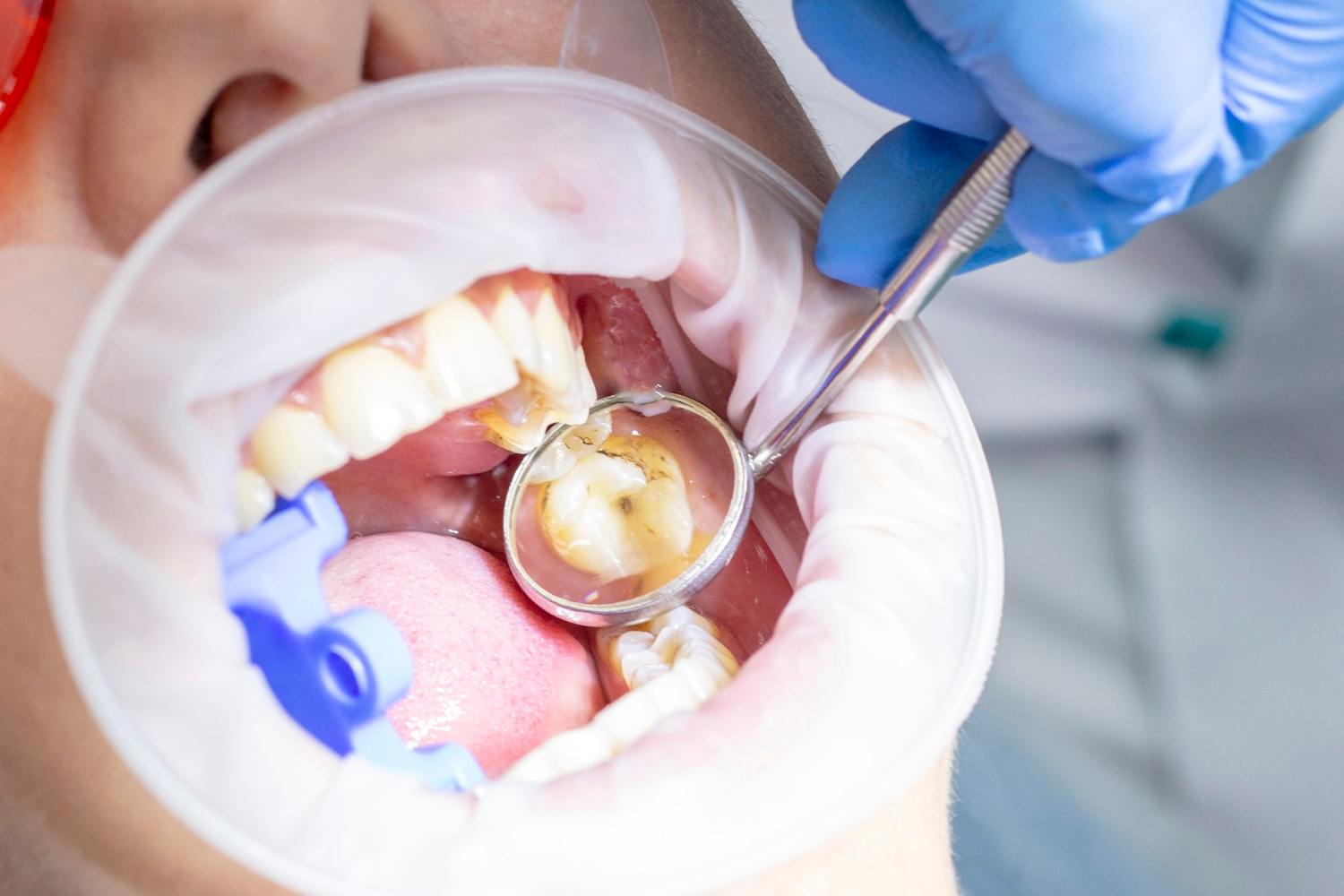
Dental sealants protect teeth by covering the tiny grooves on the chewing surfaces of molars with a thin, durable coating. This smooth layer prevents plaque, bacteria, and food debris from becoming trapped where a toothbrush may not reach effectively.
The application process is quick, comfortable, and does not require drilling or removing healthy tooth structure. Once bonded to the tooth, the sealant creates a protective shield that helps reduce the risk of cavities. At Precious Smiles, we recommend sealants when they provide a meaningful preventive benefit rather than waiting for decay to develop.
Which adults are good candidates for dental sealants?
Adults are good candidates for dental sealants when they have healthy molars with deep grooves and little or no existing decay. Teeth that have not been heavily restored often benefit the most from this preventive treatment.
People with a history of cavities or difficulty cleaning the back teeth may also be candidates. During a routine examination, a family dentist near me offering sealants can determine whether the chewing surfaces are suitable for sealant placement. Every recommendation should be based on the condition of each tooth rather than age alone.
How long do dental sealants last?
Dental sealants typically last between five and ten years with proper care, although some remain effective for even longer. Regular dental checkups help ensure they continue protecting the teeth.
Over time, normal chewing may cause sealants to wear down. If a sealant becomes chipped or worn, it can often be repaired or replaced without difficulty. Good brushing habits, daily flossing, and professional cleanings all help maintain long-term protection. A family dentist near me offering sealants will examine sealants during routine visits and recommend replacement only if needed.
Are dental sealants worth it for adults?
Yes. Dental sealants can be worthwhile for adults who have cavity-prone molars without existing decay. Preventing a cavity is generally easier, less invasive, and more affordable than treating one after it develops.
Sealants do not replace brushing, flossing, fluoride, or regular dental visits. Instead, they add another layer of protection for teeth that are naturally more difficult to clean. Adults with healthy back teeth often find that sealants help preserve their natural tooth structure for many years.
Can dental sealants replace good oral hygiene?
No. Dental sealants protect only the chewing surfaces of certain teeth and cannot prevent cavities between teeth or along the gumline. Daily oral hygiene remains essential for overall dental health.
Brushing twice a day with fluoride toothpaste, flossing daily, eating a balanced diet, and attending regular dental examinations all work together to reduce the risk of decay. A family dentist near me offering sealants will usually recommend sealants as part of a complete preventive care plan rather than as a substitute for healthy habits.
Frequently Asked Questions
Can adults with fillings still get dental sealants?
Adults can receive sealants on healthy teeth that do not already have large fillings or active decay. Teeth with extensive restorations usually do not benefit because the grooves have already been altered. A dental examination determines whether sealants are appropriate.
Are dental sealants safe for adults?
Yes. Dental sealants have been safely used in preventive dentistry for decades. They are approved for clinical use and are designed to protect teeth from decay by sealing vulnerable chewing surfaces. A family dentist near me offering sealants can answer any questions about the materials used.
Does getting dental sealants hurt?
No. Sealant placement is painless and usually takes only a few minutes per tooth. The procedure does not require drilling or anesthesia because the tooth surface remains untouched. Most patients return to their normal activities immediately after treatment.
How can I tell if I need dental sealants?
The only reliable way to know is through a professional dental examination. A dentist will evaluate the grooves, existing restorations, cavity risk, and overall tooth condition before recommending treatment. A family dentist near me offering sealants can explain whether sealants would benefit your specific smile.
Can dental sealants help prevent future cavities?
Yes. Sealants reduce the chance of cavities by blocking bacteria and food from collecting in deep grooves on molars. While they do not eliminate all cavity risk, they significantly improve protection when combined with good oral hygiene and regular dental care.
Conclusion
Dental sealants are not only for children. Many adults with healthy molars and deep chewing grooves can also benefit from this simple preventive treatment. Sealants help reduce the risk of cavities while preserving natural tooth structure, making them a valuable addition to a complete oral health routine.
At Precious Smiles, our goal is to recommend treatments based on your individual needs, not your age. If you are looking for a family dentist near me offering sealants, a comprehensive evaluation can determine whether sealants are the right choice to help keep your smile healthy for years to come.