Professional teeth whitening typically lasts six months to two years. Results fade as new stains build up on enamel, so coffee, tea, red wine, and tobacco shorten the timeline. Most patients keep their shade longest by limiting staining drinks, keeping up with hygiene, and scheduling periodic touch-ups.
People ask “how long does teeth whitening last” because no whitening treatment is permanent. Whitening lifts stains from enamel, but daily habits, age, and genetics bring discoloration back gradually. We see results vary widely from patient to patient, and a short evaluation shows what to expect for your teeth.
How Long Does Teeth Whitening Last?
Teeth whitening usually lasts between six months and two years, and some patients keep their results longer. The range is wide because whitening removes existing stains but does not stop new ones from forming. Your diet, oral hygiene, tobacco use, and natural enamel structure decide how quickly your shade drifts back.
Patients who drink coffee or red wine daily often notice fading within a few months. Patients who limit staining foods and brush consistently can stay bright for a year or more.
Does Professional Whitening Last Longer Than Store-Bought Products?
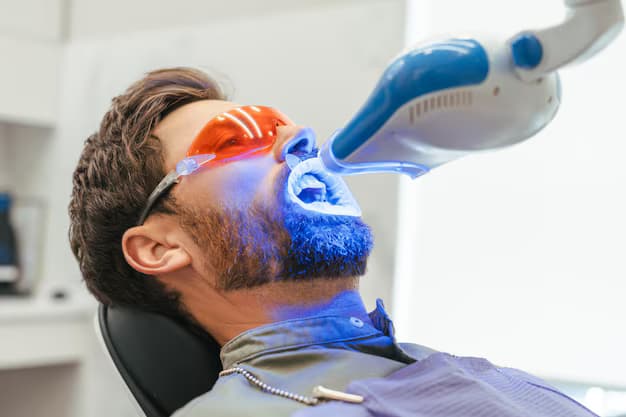
Professional whitening generally lasts longer than store-bought products. Dentists use stronger, more controlled whitening agents and apply them with precision, so the color change reaches deeper and holds longer. Over-the-counter strips and kits mostly lift surface stains and tend to fade sooner. The ranges below are general estimates and vary by patient.
| Method | Typical Results Window | Strength | Touch-Up Need |
| In-office professional whitening | 6 months to 2 years | Highest, dentist-controlled | Every 6 to 12 months for many patients |
| Dentist-supplied take-home trays | 6 months to 1 year or more | High, applied gradually | As needed when the shade fades |
| Over-the-counter strips | 2 to 4 months | Lower | Frequent repeat use |
| Whitening toothpaste | Surface stains only | Low | Ongoing use |
What Makes Teeth Whitening Results Fade?
Whitening results fade because pigments from food, drink, tobacco, and plaque gradually build up on and in the enamel again. The most common causes are:
- Coffee, tea, and red wine. Dark pigments called chromogens attach to enamel with every sip.
- Tobacco. Nicotine and tar stain teeth quickly and heavily.
- Poor oral hygiene. Plaque and tartar dull the surface and hold stains against the tooth.
- Acidic foods and drinks. Acid can roughen enamel, which makes it easier for stains to settle.
- Aging. Enamel thins over time and lets the yellowish dentin underneath show through.
- Medications and prescription rinses. Some can leave their own discoloration on teeth.
- Skipped cleanings. Surface buildup that a hygienist would remove stays and darkens your shade.
Why Does Teeth Whitening Fade Faster for Some People?
Whitening fades faster for some people because enamel texture, saliva, genetics, and habits differ from one mouth to the next. Enamel with more microscopic roughness picks up stains more easily. Natural tooth color also matters, since the dentin beneath the enamel sets a baseline that whitening cannot fully change.
Do Whitening Touch-Ups Work, and How Often Do You Need Them?
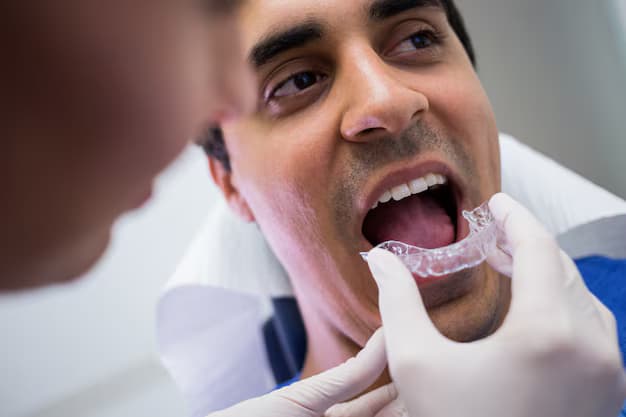
Whitening touch-ups work well, and most patients need one every six to twelve months to maintain their shade. A touch-up is a shorter, lighter treatment than the original, using take-home trays or a brief office visit depending on the option you choose.
At Precious Smiles, we match the touch-up schedule to how quickly your teeth stain rather than following a fixed calendar. Touching up too often can increase sensitivity, so spacing matters as much as timing.
How Can You Make Teeth Whitening Last Longer?
You can make whitening last longer by limiting staining drinks, avoiding tobacco, and keeping up with brushing, flossing, and regular cleanings. Drink coffee, tea, and red wine through a straw when possible, and rinse with water afterward.
Avoid dark foods and drinks for 24 to 48 hours after treatment, because teeth absorb pigment more easily during that window. Professional cleanings every six months remove the surface buildup that dulls your shade between treatments.
Does Teeth Whitening Work on Crowns, Veneers, and Fillings?
No. Whitening agents change natural enamel only, so crowns, veneers, bonding, and fillings keep their original color. If you whiten natural teeth next to a restoration, the shades can end up mismatched.
We recommend whitening first, then matching or replacing restorations to the new shade when needed. Our guide to dental crowns in Scottsdale explains how crown color and longevity work. For stains that run deeper than whitening can reach, our porcelain veneers and broader cosmetic dentistry options may be a better fit.
Ready to Brighten Your Smile?
At Precious Smiles, we offer teeth whitening in Scottsdale with a plan built around your enamel, your habits, and your goals. Book a consultation or new-patient visit and we’ll explain your options, estimate how long your results should last, and answer your questions about touch-ups.
You can reach our office at (480) 607-0498 or visit us at 7425 E. Shea Blvd. #106, Scottsdale, AZ 85260. To learn more about our practice, visit our home page.
Frequently Asked Questions About Teeth Whitening
Can you whiten your teeth too often?
Yes. Whitening too often can cause tooth sensitivity and gum irritation, and it will not make teeth whiter than their natural limit. Most dentists recommend spacing treatments several months apart and using touch-ups only when your shade fades. Your dentist can set a safe schedule based on your enamel and sensitivity history.
Does teeth whitening damage enamel?
When done under a dentist’s guidance, whitening does not damage enamel. Temporary sensitivity is the most common side effect and usually fades within a few days. Problems tend to come from overusing strong products, using them incorrectly, or whitening teeth with untreated decay or gum disease. A dental exam first lowers those risks.
How soon can you drink coffee after whitening?
Wait at least 24 to 48 hours before drinking coffee, tea, or red wine after whitening. Teeth are more porous right after treatment and absorb pigment easily. During that window, stick to water, milk, and light-colored foods such as chicken, rice, and bananas. After that, a straw and a water rinse limit staining.
Does insurance cover teeth whitening?
Most dental insurance plans classify whitening as a cosmetic service and do not cover it. Coverage varies by plan, so check your benefits before booking. We can review your options and give you a cost estimate before treatment starts, so you know what you’ll pay up front.
Is teeth whitening right for everyone?
No. Whitening is not ideal for people with untreated cavities, active gum disease, or severe sensitivity, and many dentists advise waiting during pregnancy. It also will not change crowns, veneers, or fillings. A quick exam confirms whether your teeth are healthy enough and whether whitening fits your goals.
Do whitening toothpastes make results last longer?
Whitening toothpastes remove surface stains, which can slow fading, but they do not change the internal color of your teeth. Look for products with the American Dental Association Seal of Acceptance and avoid harsh abrasive formulas that can wear enamel over time. They support your results but do not replace touch-ups.